
The Be All and End All

In common with many amateur photographers, I work mainly as projects rather than on single, isolated images. So, when do we know that a photo project is finished? If there is an assignment deadline, then the answer is relatively easy: the project is completed with what you have as the timeline rapidly shortens.
What about self-motivated projects that at the start do not have a predefined endpoint? This question was asked by Sasha Wolf of the Aperture Foundation[1] in her interview with 40 professional photographers. The answer varied widely. Some never return to a project once the desired output has been achieved, as a photobook, exhibition, or whatever. Others keep the door ajar, prepared to add to a project if the circumstances arise.
A recent experience got me thinking more deeply about how projects may evolve, and eventually reach a stage of completion. Together with a friend, we recently looked at our images of Venice taken over a period of 10 years or so. As an aside, many may think Venice has been done to photographic exhaustion. Not a bit of it. It is a photographer’s paradise, a location that gives out new ideas on every return visit. It has long been my advice to fledgling photographers to buy a plane ticket to Venice rather than that new, but probably not needed, lens!
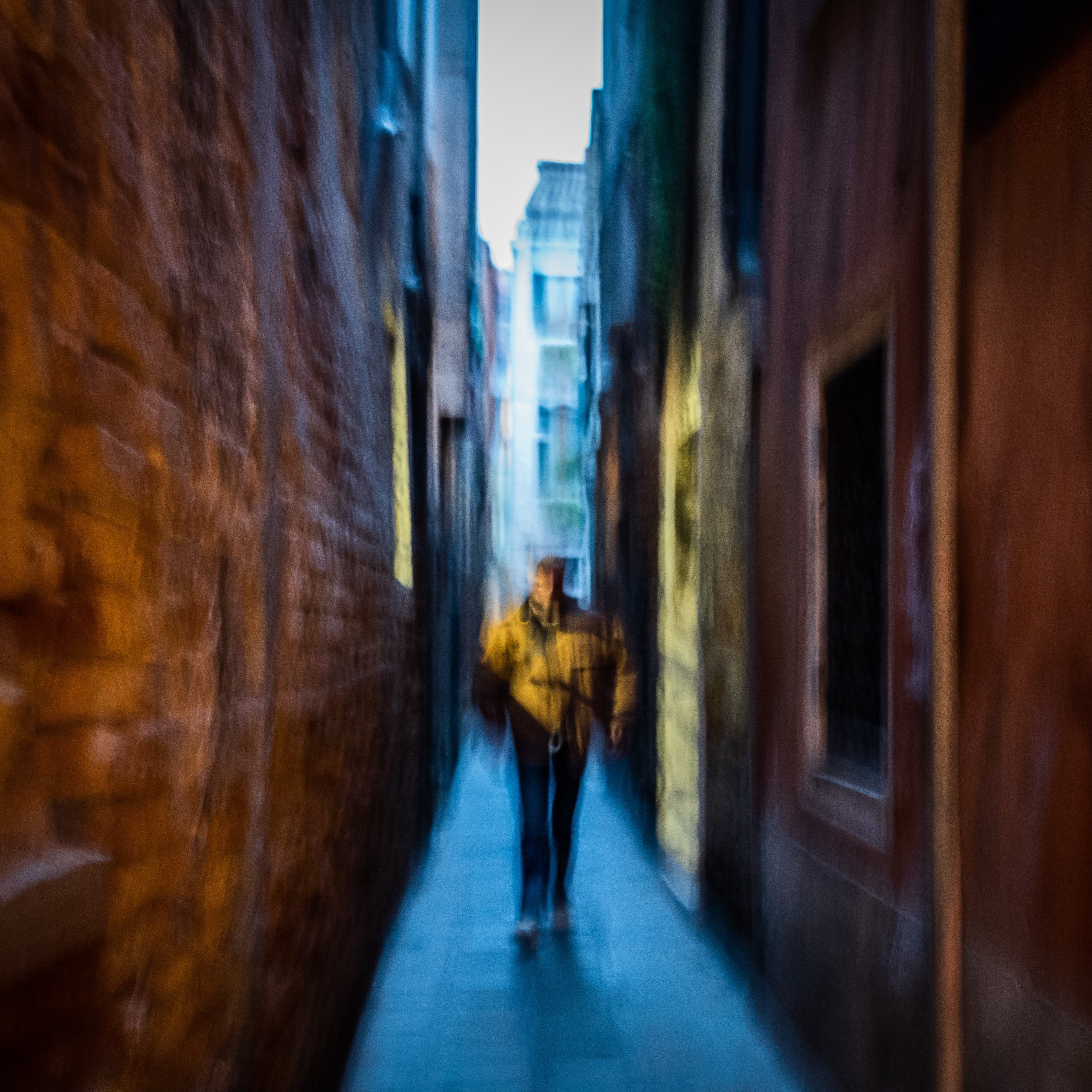
Notwithstanding, I suddenly felt my Venetian project had come to a natural end. That is not to say I will never return there and shoot more photographs. Perish the thought: I adore Venice, especially in the winter months. No, the feeling is that I have said for now what I want to say about Venice. In my project, I have been attempting to describe visually the city and its surrounding lagoons away from the hordes of tourists that swarm the city during the summer months. A place that’s lived in, surrounded by eons of history that shaped the development of both Europe and the Near East.
One contribution to this feeling came from reviewing recent shoots in Venice and comparing the photographs with my past archives. Once the new images lose the impact and narrative of earlier work, this is a sure sign at the end of our project is nigh.
Passion is also hard to sustain once every brick and alleyway becomes familiar. Once fresh approaches become scarce at favourite locations, that is another sure sign of a project being given a rest. There is also another factor outside of our control: seeing a similar project in the photographic press. Some would argue this could revitalise a long-held but submerged passion for a project. But the reverse can also happen. Your originality can take a hard knock, especially if someone has published a body of work perilously close in style and content to your own.
Sometimes one has to face up to the fact that a project is just not working out as you originally envisaged, despite the many months, or even years, you have devoted to it. Abandoning a project is perhaps the hardest decision a photographer has to make. This happened to me shortly are I returned from a prolonged visit to the USA, a country I have visited many times and know well. The original idea stemmed from the publication of Alistair Cooke’s Letter from America[2], transcripts of his BBC radio broadcasts from 1946 to 2004. I wanted to visually explore Cooke’s fascination for the way of life of the average American. For some undefinable reason, the collection of images I had from this trip simply didn’t come together in the way I expected. I couldn’t do justice to his wit and insight of all things American. A mock-up of a future photobook was consigned to a dusty shelf. Then, a few weeks ago, I revisited this project in a different light since the world has now been turned upside down by Donald Trump’s view of America and its place in the world. The work I had put in abeyance suddenly took on a new life under the title Trumpland. The lesson is clear. Projects can evolve to have new meaning in the light of contemporary developments in everyday circumstances and existence.
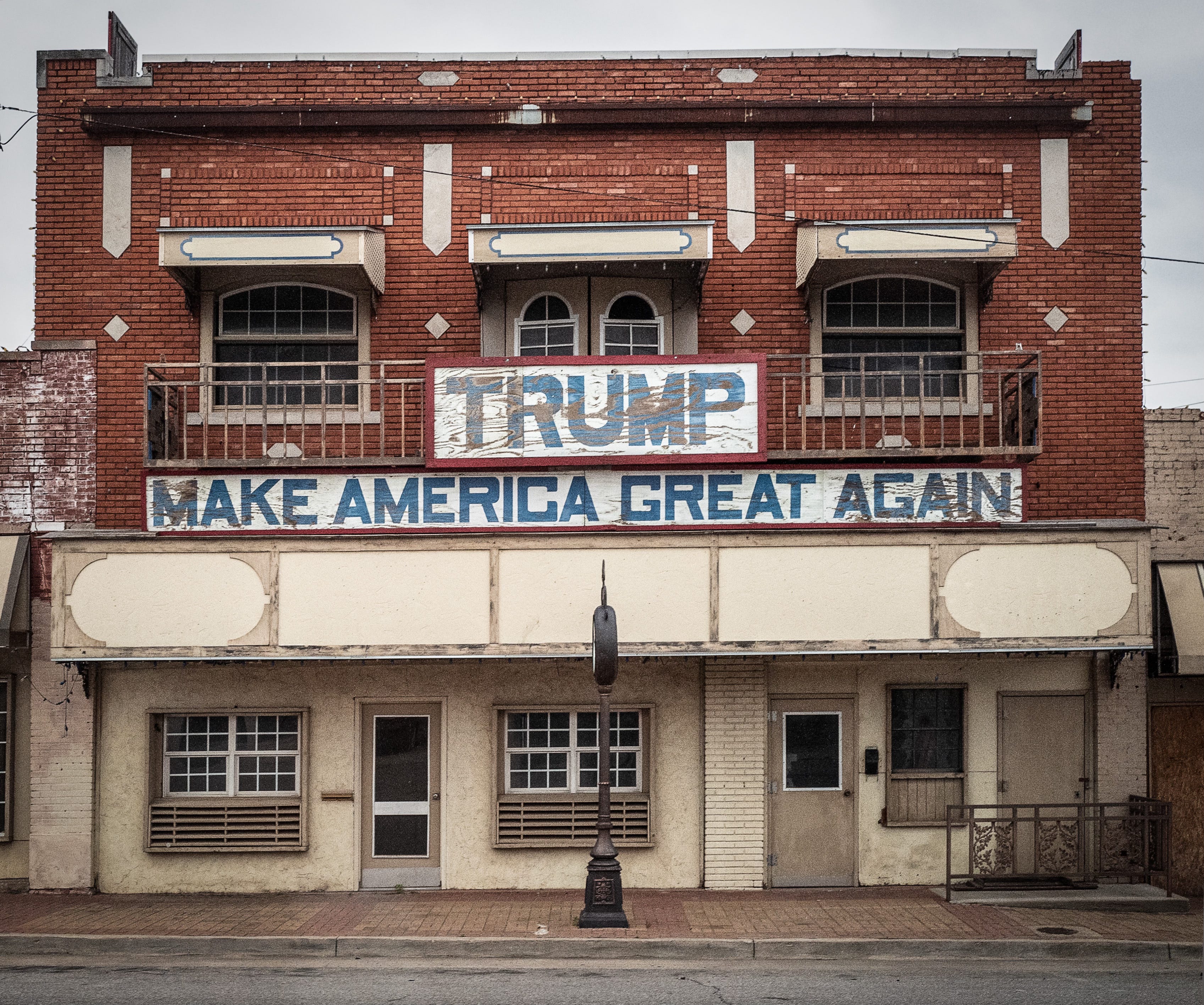
Taking all of this together, do I have an answer to my original question? Not really. Just follow your intuition. Sit back, relax, and put the work to one side for a good few months. Never be afraid to put to one side projects that simply are not fulfilling your expectations. But never throw anything away. If coming back to it you can feel fresh enthusiasm, then go for it. If not, you know the project is finished … at least for now!
[1] Photowork: Forty Photographers on Process and Practice, ed. Sasha Wolf, Aperture, 2019, New York.
[2] Letter from America, 1946 to 2004, Alistair Cooke,Penguin, 2021, London.